
After 12 years without an increase, the cost of a dog licence within the Capital Regional District (CRD) Electoral Areas is going up — as are impound fees charged for wandering animals picked up by Animal Care Services.
Next year, dog owners will pay $40 to license a spayed or neutered dog and $60 for an “unaltered” animal, per a new bylaw adopted by the CRD Board Wednesday, June 11, up from $25 and $45 respectively. The late fee is also doubling — from $10 to $20.
The last time dog licence fees increased was in 2013, when they went up by $5. The CRD plans to continue to offer the $5 discount per dog for early tag renewals — as well as a free licence for the year a dog is spayed or neutered.
Those higher fees come alongside increased charges for impound and daily shelter fees for dogs and cats, as well as several listed animals, including goats, sheep, horses and pigs.
“Dog owners have had a fee holiday for a number of years,” said Southern Gulf Islands Electoral Area director Paul Brent, as the new bylaw was being discussed at the Electoral Areas Committee earlier in the day. “I look at the pet care industry, and the billions and billions of dollars spent, and I don’t have a problem with it. I mean, this isn’t Iran, where they’ve made the walking of dogs illegal now.”
Both licence and shelter fees supplement Animal Care Services programming, including proactive education, outreach and the shelter itself, which sees about 500 animals annually, according to staff — from dogs and cats to reptiles and livestock. Impounded animals are reunited with their owners where possible, states a staff report, and if not claimed are adopted into a new home or transferred to other rescue agencies for medical assistance or rehabilitation.
The shelter actively avoids euthanizing animals unless they are too ill, injured or aggressive to be rehomed, according to senior Protective Services manager Shawn Carby, noting the department’s national recognition as having among the highest rehoming rates in Canada.
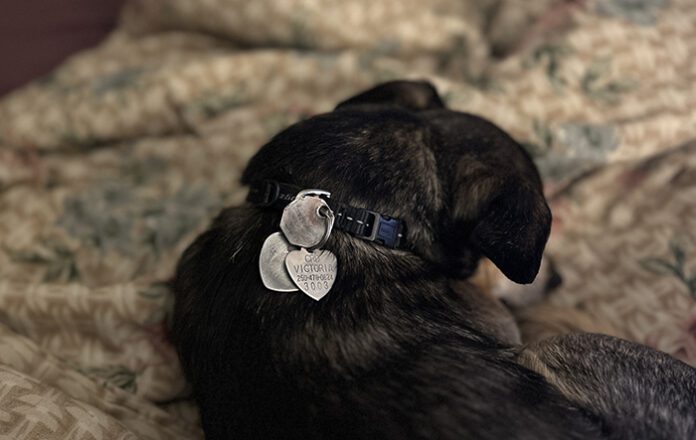
Carby said some 12,450 dogs are currently licensed in the CRD, and having the tag on your dog’s collar will help it get home if lost — and could save money as well.
“We’re able to identify who the owner is; we make a phone call,” said Carby. “And if that owner is home and is able to be reached, instead of going to drop the animal off at the shelter — which would incur an impound fee — we would just take the animal to the owner.”
If there was an indication the animal was improperly controlled, Carby said, there may be warnings or fines associated with the dog being at large.
The number of unclaimed animals is rising, according to Carby, and more than half of the animals that come into the shelter are not claimed and require assessment, medical treatment, socialization and training before new homes are found. And with the rising costs of staff, sheltering, training, food, supplies and veterinary fees, the program simply needs more funding.
“The proposed approach will generate the revenue needed from the users of the program — pet owners — without impacting requisition for the taxpayer,” said Carby. “We are confident that the proposed fees are consistent with other regional districts and municipalities of similar size and are necessary to meet the current operational and anticipated capital costs necessary to sustain service and shelter operations into the future.”
The licence fee bump alone is expected to generate about $200,000 in additional revenue, according to staff. Most dog owners will have either already renewed their 2025 licences by now, Carby noted, and will not be affected by the fee change until next year; all current dog licence accounts will have the new fees applied when renewal notices are sent in December for 2026.