
BY TRANSITION SALT SPRING
Salt Spring Island punches well above its weight when it comes to craft guilds, talented and aspiring artists and makers.
We also have organizations for nearly every sport — short of ice hockey. Take a look at the back of the Lions Club Directory or the Salt Spring CRD Leisure Guide and you’ll find pages of them: painters, paddlers, potters, pipers and pickleball players; weavers, spinners and quilters; golf clubs and garden clubs; racquetball, tennis, rod and gun clubs — just to name a few. Whether you’re looking to try something new or connect with like-minded folks, Salt Springers have access to a plethora of hobbies, crafts and clubs.
While the desire to try something new is healthy and creative, frequently jumping from one hobby to the next can lead to more than just fond memories and new friends. The dark side is the accumulation of no-longer-used gear or supplies that sit collecting dust — the dreaded “hobby graveyard” — often taking up valuable closet or shelf space. From brushes and paints to old paddles and pottery tools, balls, looms, sewing machines, rackets and rods, these items take up space in your home and, more significantly, sit unused — wasting away in some dark closet instead of bringing joy to someone else.
It doesn’t have to be that way. Whether you’re starting something new or have decided the latest pursuit isn’t for you, the gear and supplies you need don’t have to be brand new — and they certainly don’t need to atrophy in storage. With a shift in approach, a small amount of effort and good intentions, it’s possible to explore new interests while keeping both environmental impact and material accumulation in check.
Lighter Living is here to provide several practical and climate-conscious tips to help you satisfy your creative pursuits more sustainably.
Begin with Borrowed Materials
Rather than purchasing new supplies at the outset, consider borrowing from friends. Tell people what you’re doing and ask around. This allows you to experiment without committing to excess consumption.
Shop / Donate to Thrift Shops
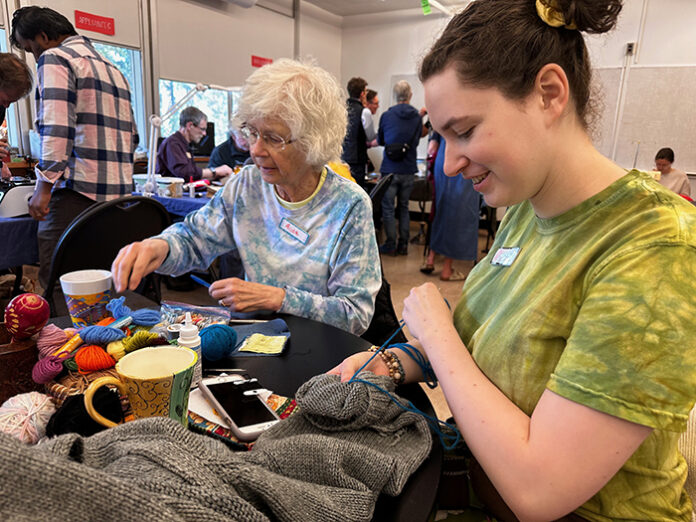
Salt Spring has two terrific non-profit thrift shops: IWAV’s Transitions Thrift Store and the Lady Minto Auxiliary Thrift Shop. SUPPLY Victoria is a non-profit organization that sells donated school, office and art supplies on a sliding scale. Many larger communities have thrift shops or reuse centres that carry donated art, craft and DIY materials. These offer an affordable, eco-friendly alternative to buying new — while reducing waste.
Get Online
You may be just keystrokes away from what you’re looking for. If you use Facebook, join “Buy Nothing Salt Spring” to ask for what you need or donate what you aren’t using — it’s a fabulous local resource. Consider checking out FB Marketplace at the same time.
Pick up the Salt Spring phone book or Leisure Guide and find the craft guild or club associated with your hobby. Email to ask if they are accepting donated supplies or if there’s an opportunity to borrow or rent while starting out!
Organize a Hobby Swap
A hobby or craft swap among friends or neighbours can breathe new life into unused materials. What one person has set aside might become another’s new passion project.
Choose Low-Waste Hobbies
Consider hobbies that have minimal environmental impact and align with sustainable living — such as mending clothing, foraging, plant propagation, forest bathing walks or digital art. These activities often use existing resources and foster a deeper connection with nature.
In a time when consumption habits are under increasing scrutiny, even our leisure choices have a role to play in building a more sustainable future. Pursuing hobbies should enrich our lives — not our landfills. With thoughtful choices, creativity and environmental stewardship can go hand in hand.
We invite you to sign up for free access to Lighter Living content at: tinyurl.com/Lighter-Living. Learn how to take low-effort actions that feel good, benefit our community and help the planet.